

Production software, built the way it’s built now.
We’re an engineering team that rebuilt how we deliver — AI-assisted across scaffolding, testing, migration and review, with senior engineers owning every line that ships. The same standards you’d expect from a firm twice our size. A fraction of the time and cost.
30 minutes with an engineer, not a salesperson.
Senior engineers doing the work that needs judgement. Nothing else on the invoice.
Most engagements start with something running, so you evaluate a build rather than a bid.
Code, tests and documentation. Full ownership, ISO 27001 controls, no lock-in.
Trusted by teams at






















Teams across fintech, logistics, healthcare, retail and enterprise IT.
Two ways in
Most teams come to us with one of two problems.
The delivery model is the same either way. What changes is what we’re protecting — your runway, or your uptime.
I’m building a product and can’t hire fast enough.
You need it live, not perfect. We embed a small senior team and ship in working increments you can put in front of real users — from first prototype to the platform that carries your Series B.
- Web & mobile
- MVP to scale
- Embedded squads
- QA built in
I’m modernising something we already run.
Legacy systems, cloud spend climbing faster than traffic, deployments that need a weekend window. We migrate, containerise and automate the pipeline, then hand it back documented — without stopping the business while we do it.
- Cloud migration
- DevOps
- ServiceNow
- Data & ML
How we build now
Not a rebrand. A different way of working — and it shows up in the estimate.
We don’t sell AI. We use it, in the parts of engineering where it genuinely removes work, and we’re specific about which parts those are.
Senior engineers, and not much else
Boilerplate, test scaffolding, migration passes and first-draft documentation used to justify a large junior bench. What’s left is judgement, and judgement doesn’t scale by headcount. Our teams are small and experienced by design.
Prototypes before proposals
We’d rather show you something running than describe it in a deck. Engagements now open with working software early enough that you can still change direction cheaply.
Tests and docs as you go
Coverage and living documentation were always the first things cut when a deadline moved. They’re no longer expensive to produce, so they no longer get cut.
Migrations that actually finish
Modernisation used to be priced by how long a human takes to read and re-express old code. That number changed. Projects that never cleared a budget committee are now routine work.
A named engineer is accountable for every line that ships
Architecture, review and ownership work exactly as they did before. Nothing reaches your repository that our team couldn’t have written by hand and can’t maintain next year.
The economics changed because the loop got short enough to run many times.
What we do
Five practices. One delivery model underneath all of them.
Product engineering
Web and mobile products, built by small senior teams.
React · Next.js · Node · Java / Spring Boot · Python · Flutter · React Native
Product engineering →Cloud
Migration, architecture and the bill that pays for the work.
AWS · Azure · GCP · Terraform · Kubernetes · FinOps · ISO 27001 controls
Cloud →DevOps
Pipelines, containers and the runbooks that make them safe.
Kubernetes · Terraform · GitHub Actions · Argo CD · Helm · Prometheus · Grafana
DevOps →Data engineering & ML
Pipelines that hold up, and models that reach production.
Airflow · Spark · dbt · Snowflake · BigQuery · Kafka · MLflow
Data engineering & ML →ServiceNow
Implementation, custom apps and integrations for complex estates.
ITSM · ITOM · ITAM · HRSD · CSM · FSM · SecOps
ServiceNow →Selected work
What changed, in the client’s terms.
Close to thirty engagements are written up in full on our client success pages. These three cover the range.
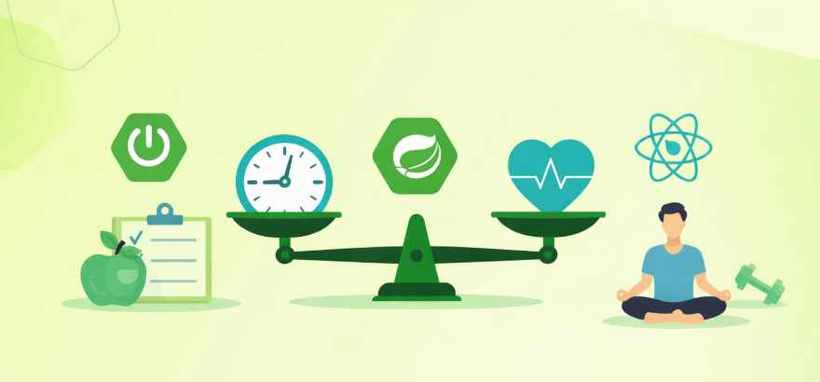
A wellness platform, from vision to live
Corporate wellness is delivered by many small providers, and the companies buying it were holding the programme together with spreadsheets and email. Enrolment was manual, provider onboarding was manual, and nobody had a current view of who was using what. Read the case study→ Health insurance · CI/CD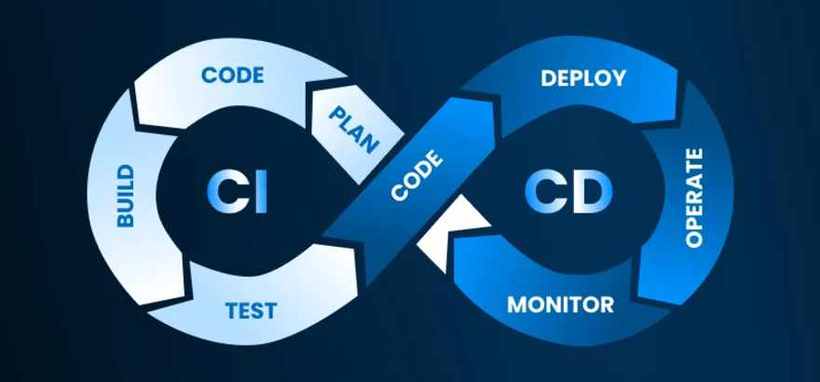
From a three-hour deployment to ten minutes
Deployments were done by hand. Each release needed several stakeholders available at the same time, dependencies were tracked informally, and the window was two to three hours with downtime inside it. Read the case study→ HR technology · Cloud & DevOps
Infrastructure that could keep up with the growth
The platform was growing quickly and scaling by adding instances, because that was the lever available. The Kubernetes estate had grown with it rather than being designed for it. Read the case study→Standards
The questions you should be asking us.
If you’re responsible for the outcome, these are the right things to be sceptical about. Here are our answers before you have to ask.
Does faster mean worse?
Who owns the code?
Where does our code and data go?
What happens when you leave?
Engagement models
Three ways to work with us. None of them open-ended.
We can commit to scope and price before the work starts because we can predict the work. That is the clearest evidence we have that the delivery model does what we say it does.
Fixed price · two weeks
A paid pilot
A real piece of your backlog, not a sample project. You keep the output whether or not you continue.
Fixed price · per milestone
A defined milestone
Scope, date and price agreed before we start. Suited to a migration, an integration or a first release.
Monthly · scale up or down
An embedded team
Senior engineers inside your process, your standups and your repositories. Cancel or resize at any month.
Let’s talk
Bring us the thing that was quoted too high or scheduled too long.
We’ll tell you in one call whether the new economics change the answer — and if they don’t, we’ll say so.